
 When I initially started my Japanese Garden project, I wasn’t sure if I was going to incorporate fencing or simply utilize plants and trees to provide something interesting to liven up the existing block wall that borders my side yard from my neighbor’s driveway.
After seeing the frequent use of bamboo in the Japanese gardens I researched, I decided that bamboo would provide both a nice screen over the less than attractive block wall and allow me to incorporate some common Asian garden elements.
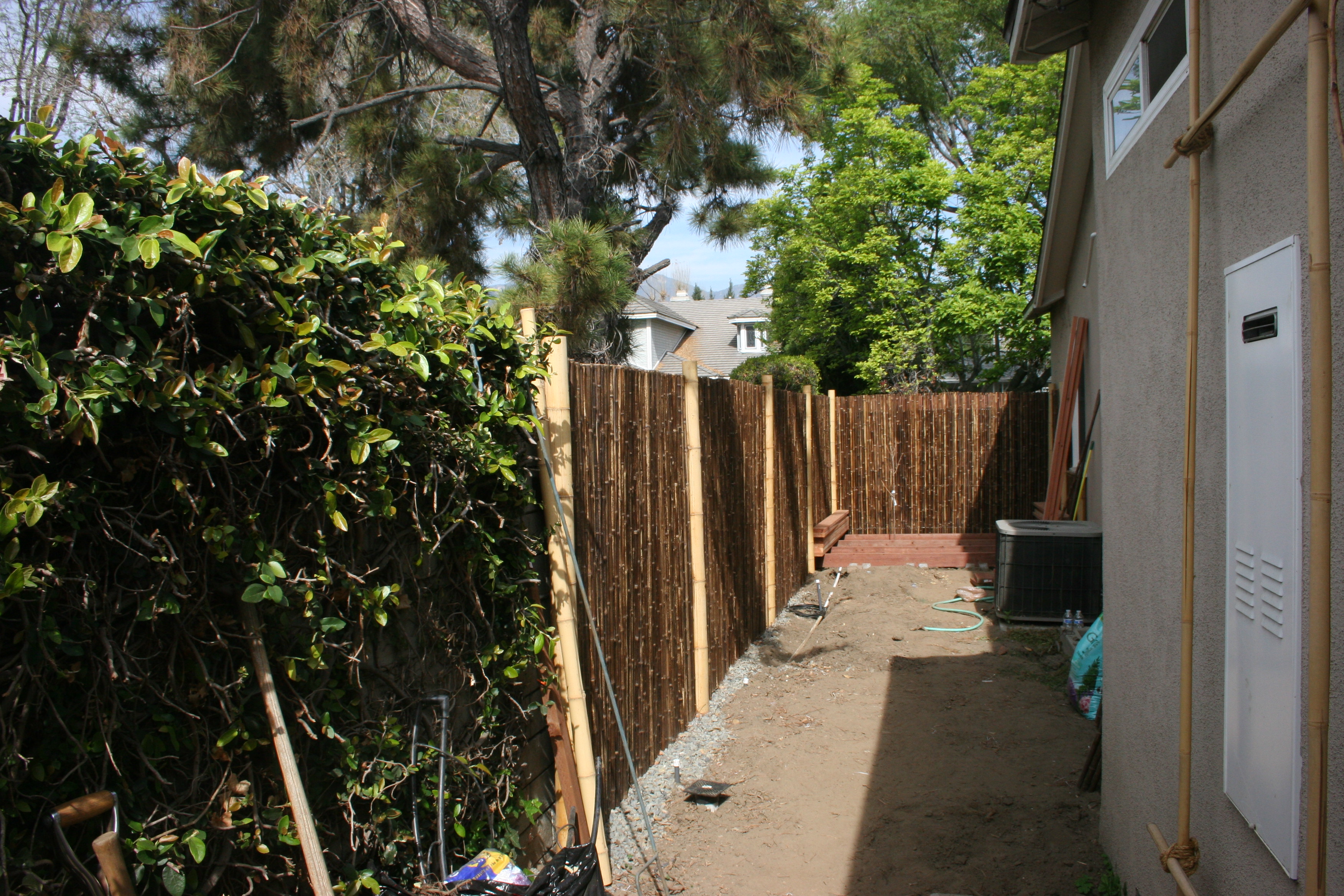
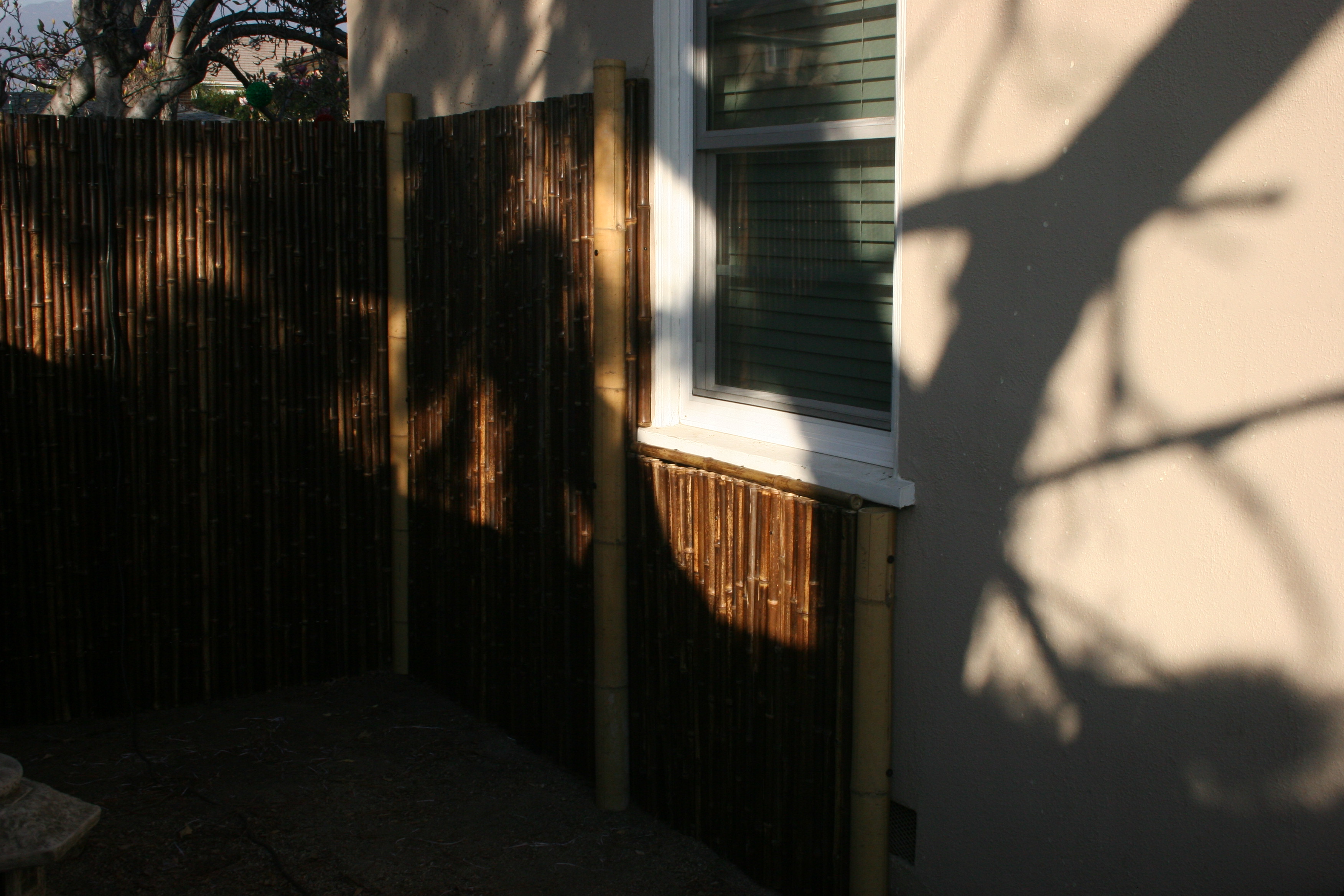
I decided that I would begin the fencing about 10-15 feet from the entrance to my side yard and wrap the fence around the area of the yard which would later include a small deck.
The first step was locating suitable fencing and after researching several fencing retailers, I decided on Cali Bamboo in San Diego due to both their excellent selection of bamboo fencing colors and sizes but also availability of single pieces of bamboo in various widths.
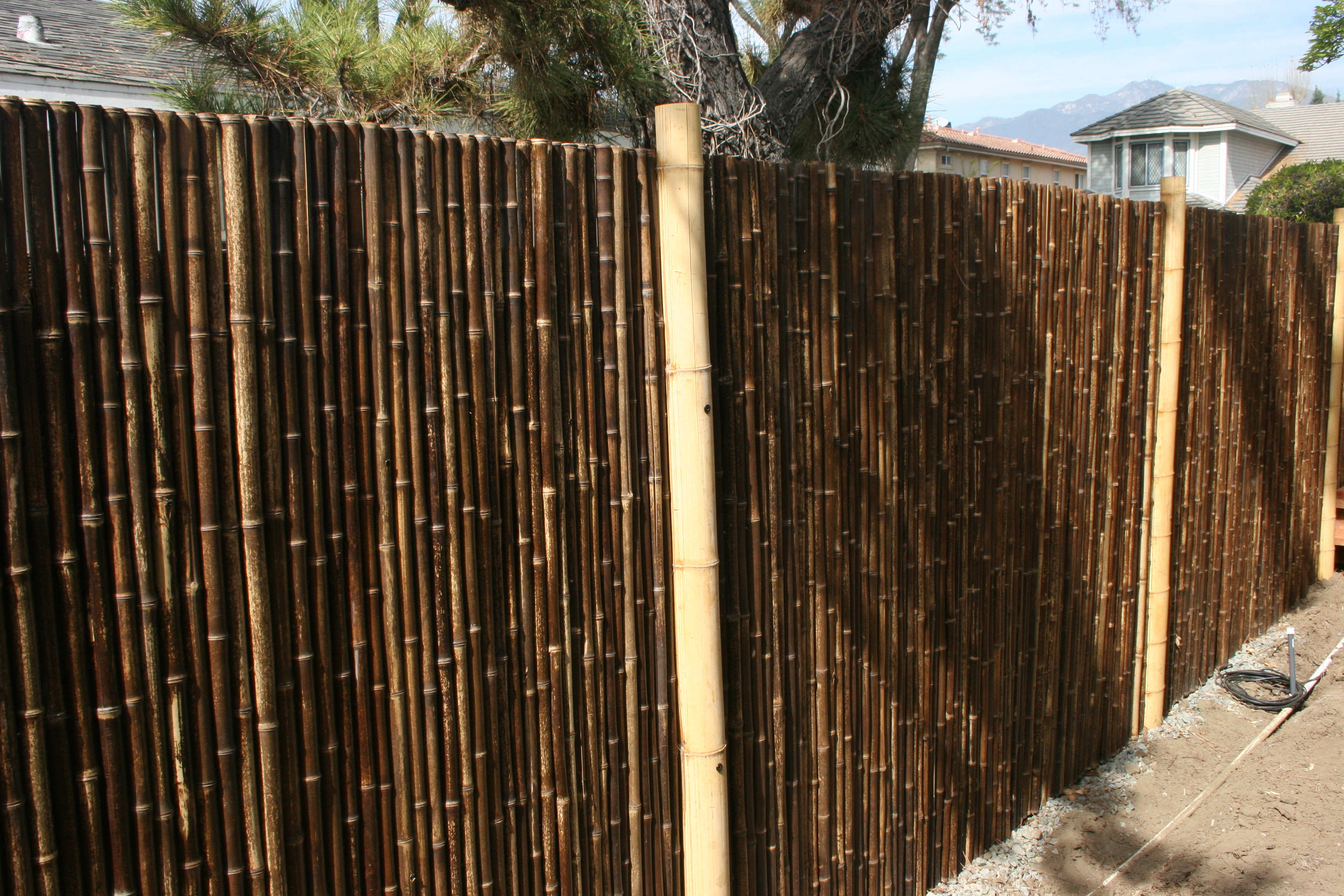
A call to Cali Bamboo’s customer service and some good advice led me to choosing the natural black bamboo fencing which fit the darker color scheme I intended to create. I also purchase several 3 and 4 inch width pieces for use as fence posts and for some other decorations I intend to incorporate in the latter stages of my project.
Another reason I liked Cali Bamboo were their instructional and installation videos, which were fairly straightforward, and a great reference point.
The first step in the fence installation was ensuring the fence area was clear of any debris and vegetation. The most difficult part of this installation was digging up the roots of the wall-climbing vine that has previously covered my block wall.
Once the wall and ground were clear I purchased several 8ft 2x4s and attached them to the block wall using cylinder block screws. In order to ensure the 2x4s were secure, I predrilled both the 2x4s and wall and then attached the beams creating a nice secure fit.
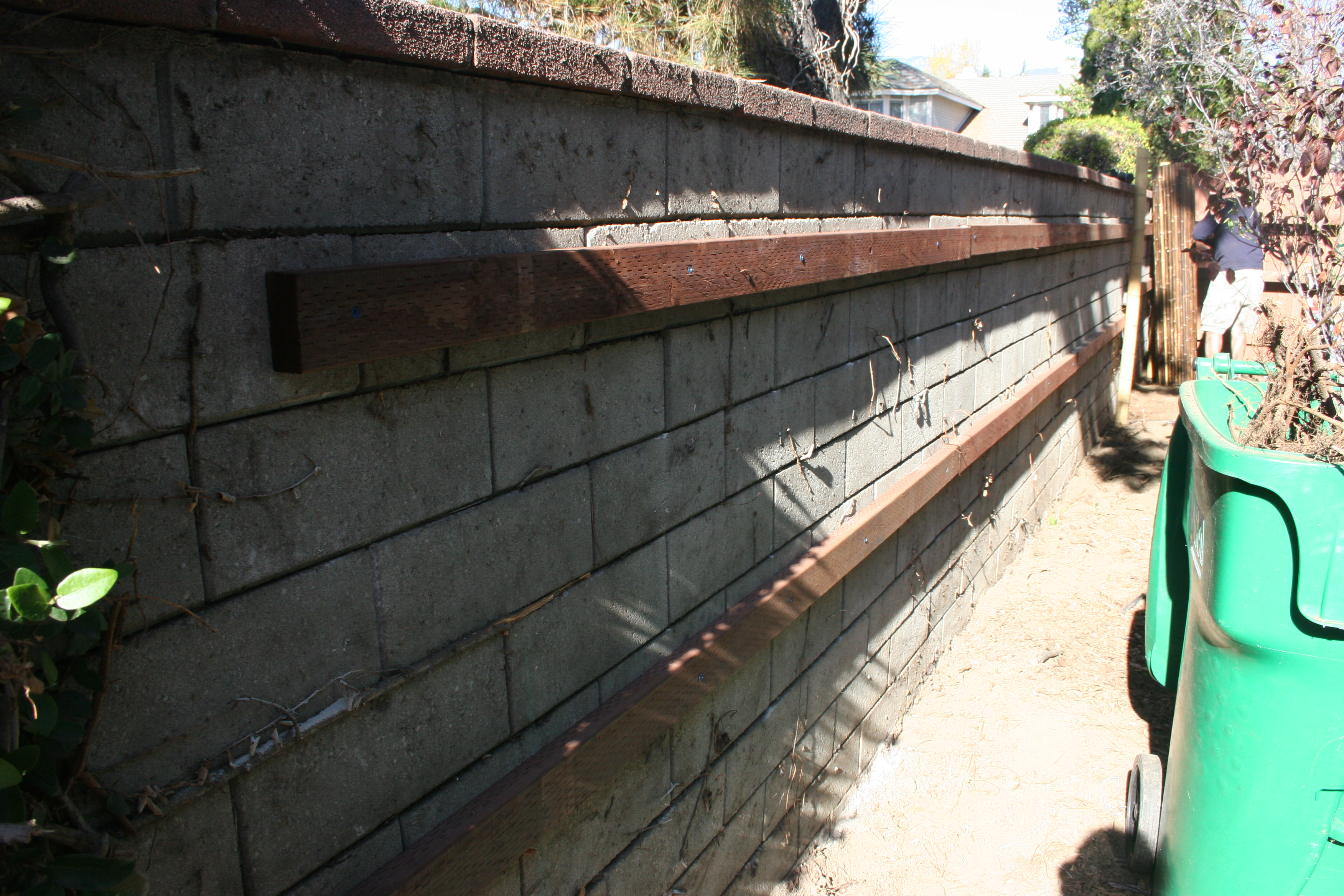


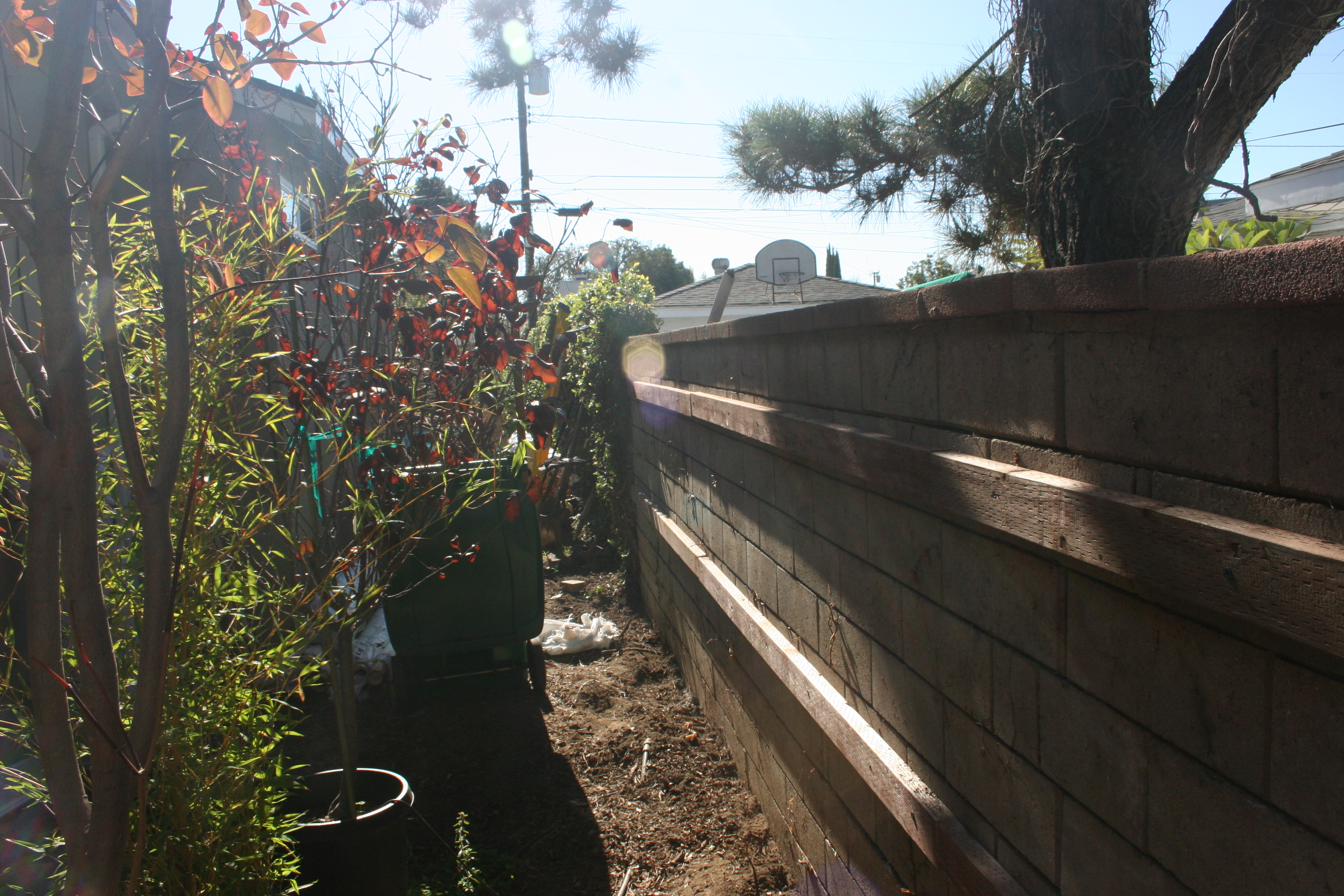
Next, I cut the bamboo posts to size and attached the with 6 inch black screws. I was initially going to cement in the bamboo posts but since they weren’t going to be securing the fence (as per the next step) I simply attached them to the 2x4s.
The final installation step was rolling out the fencing and attaching them to the 2x4s with black exterior screws. Finding black screws took some searching, but they are available and look much better than the recommended deck screws given the color choices.
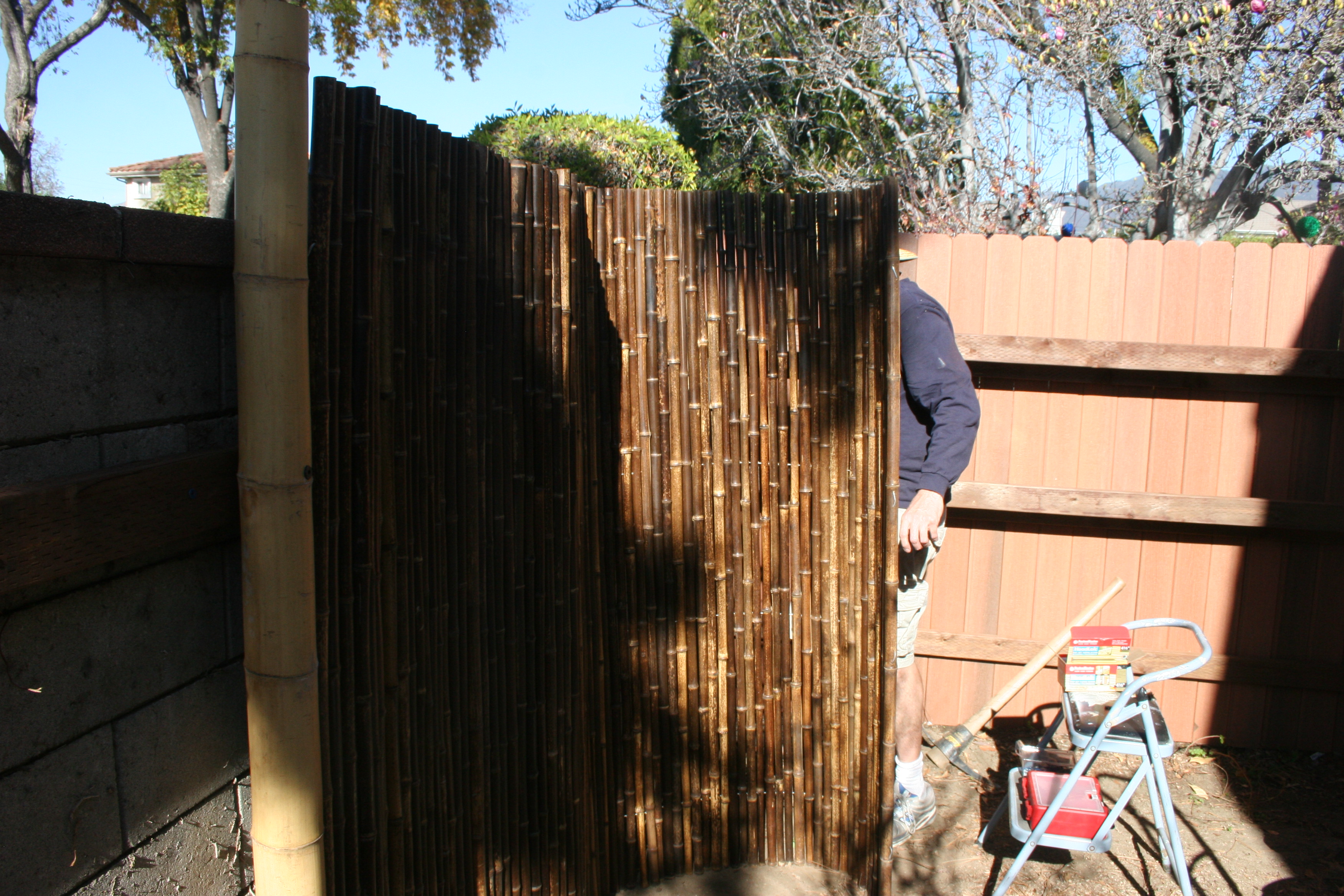
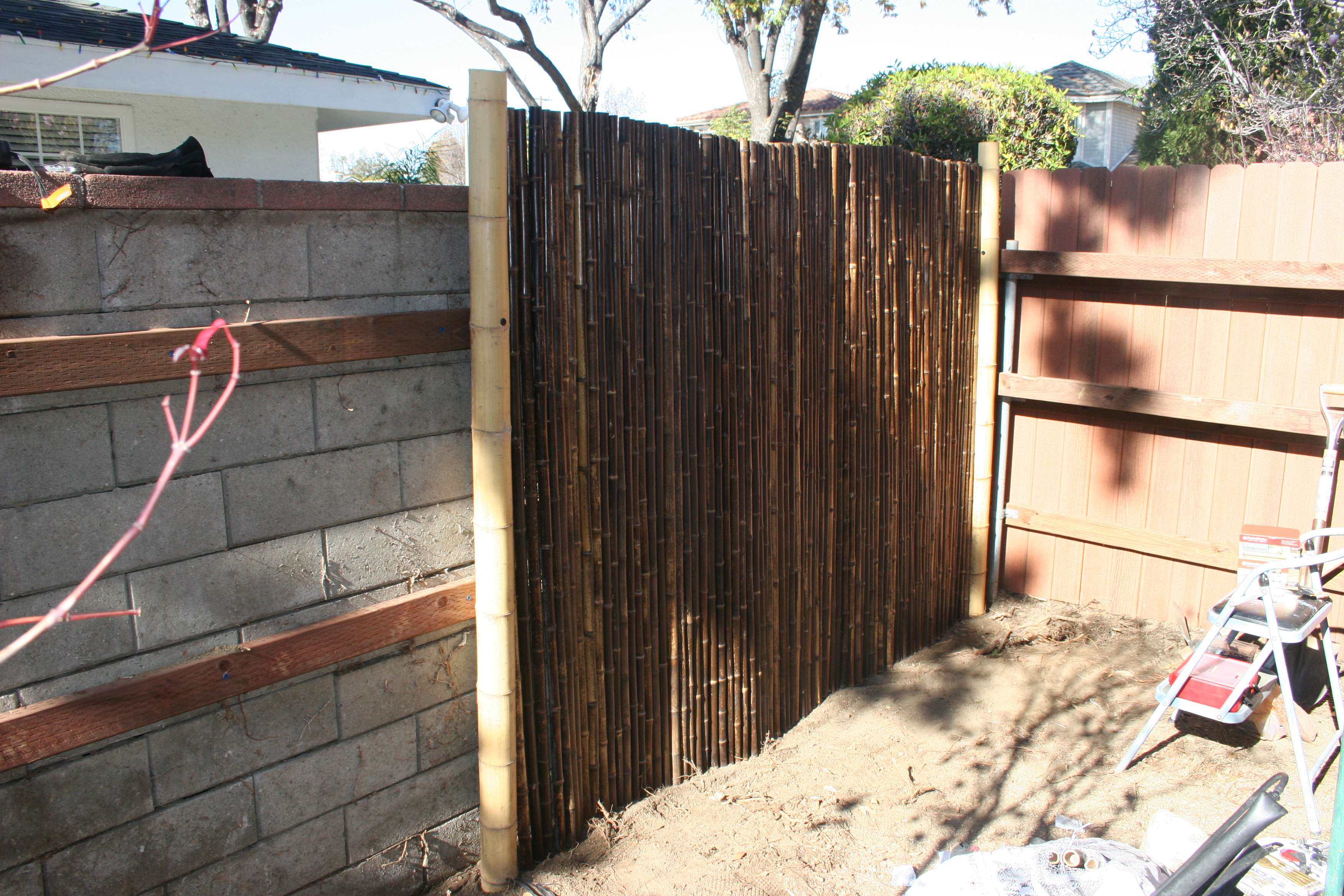
After installation I debated a stain or simply allowing the fence to age naturally. I decided to utilize the recommended TPZ stain (Dark Oak) but upon applying it found that it changed the color of my fence too dramatically so I unscrewed and flipped the bamboo fence sections so that the stained side of the fence faced the wall and the unstained bamboo faced the yard.
Lastly, I dug under the bamboo and filled the area with crushed granite so that the bamboo would not be in contact with the dirt.
At this point, I have left the bamboo posts slightly higher (about 3 inches) than the bamboo fence segments, which I may level off once the project is completed.
The cost of this part of my project was higher than I had originally expected to spend but I really liked the natural black bamboo, as it was a more rare and unique look. The same fencing project could have been done for less if I had used the lighter natural color bamboo but my heart was set on the darker color. A big thanks to Cali Bamboo for working with me and giving me a really good price break.
Bamboo Fence Expenses: $1500
Running Total: $2330

 GARDEN BEAUTIFUL